

Small Space, Big Impact: The Ultimate Guide to Space Planning Your Home
A well-designed home is not always about size – it is about smart space planning. In today’s modern lifestyle, compact homes, apartments, and studio spaces are becoming more common, making interior design, functional layouts, and space optimization more important than ever. As the quote says, “Simplicity is the ultimate sophistication.” Thoughtful furniture placement, natural lighting, and multi-functional elements can completely transform even the smallest room into a comfortable and visually open environment. When every corner is planned with intention, a small home can feel spacious, calming, and highly efficient without compromising on style or personality. The key to successful home space planning lies in balancing aesthetics with practicality. Instead of overcrowding rooms with unnecessary decor, modern interiors focus on clean lines, hidden storage, and flexible furniture solutions. A foldable dining table, wall-mounted shelves, or a neutral color palette can instantly create the illusion of openness and improve the overall flow of the house. “Your home should work for you, not against you,” is a principle many designers follow while planning compact spaces. Smart zoning techniques, minimalistic styling, and layered lighting also help define areas without making the home feel divided or cluttered. Every design decision should enhance comfort while maximizing available square footage. Creating a beautiful small home is ultimately about understanding how people live and move within a space. Good space management is not about filling rooms – it is about creating breathing room and emotional comfort. Natural textures, mirrors, vertical storage, and strategic layouts can make interiors feel larger, brighter, and more welcoming. Modern homeowners are now embracing the idea that functionality itself can be luxurious. “A thoughtfully planned space tells a story without saying a word.” Whether it is a compact urban apartment or a cozy family home, intelligent space planning ideas can turn limitations into opportunities and make every inch of the home feel meaningful, elegant, and impactful.
Maximizing Small Spaces: Turning Limitations into Lifestyle
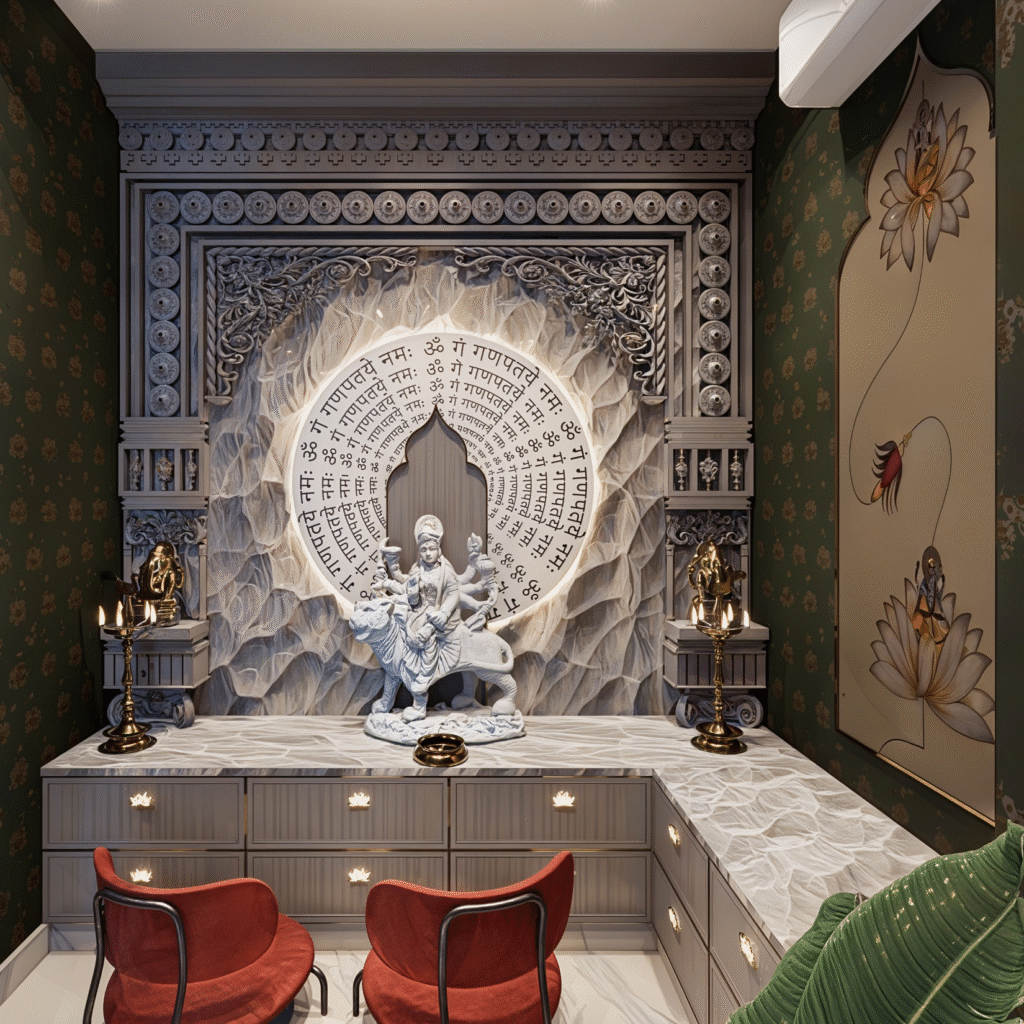
Let’s be honest—small spaces get a bad reputation. The moment someone hears “compact apartment” or “studio living,” they picture clutter, compromise, and constant adjustment. But what if the problem isn’t the size… it’s how the space is being used? Because a well-designed small space doesn’t feel small—it feels intentional. Think about your current space for a second. Is every corner working for you, or just… existing? That empty wall, the awkward corner, the bulky furniture that looked great in the showroom but now dominates the room—these are all missed opportunities. Maximizing a small space isn’t about stuffing more into less; it’s about making every element earn its place. Start with the basics: functionality. In smaller homes, furniture shouldn’t just sit there looking pretty—it should do something. A bed with storage underneath, a coffee table that doubles as a workspace, or even a foldable dining setup can completely change how a room behaves throughout the day. It’s not just design, it’s strategy. Then comes the illusion game—because yes, design can trick the eye (in the best way). Light colors, mirrors, and smart lighting can open up a room more than knocking down a wall ever could. A well-placed mirror doesn’t just reflect your space, it multiplies it. And lighting? That’s your silent hero. Layer it right, and suddenly your space has depth, mood, and personality. But here’s where most people get it wrong—overcrowding. Small space doesn’t mean more décor to “fill it up.” It actually demands the opposite. Be selective. Let your space breathe. A single statement piece often does more than five decorative items fighting for attention. And let’s talk about vertical space—because if you’re not using your walls, you’re missing half your home. Floating shelves, tall storage units, even vertical gardens—they pull the eye upward, making the room feel taller and more expansive. It’s like unlocking hidden square footage you didn’t know you had. At the end of the day, maximizing a small space is less about design rules and more about lifestyle alignment. Ask yourself: How do I actually live here? When your space reflects your habits, routines, and comfort, size becomes irrelevant. So maybe your space isn’t small. Maybe it’s just waiting to be understood better.
Statement Designing
Crafting Spaces That Speak In interior design, not everything needs to be said out loud. Sometimes, a space itself becomes the statement. The curve of a chair, the warmth of lighting, the silence of a well-balanced room — it all communicates something. This is where statement designing comes in. It’s not just about placing beautiful elements together, but about creating a space that speaks, connects, and stays with you long after you’ve left it. What is Statement Designing in Interiors? Statement designing in interiors is the art of creating a focal point or a defining element that captures attention and sets the tone of the entire space. It could be a bold wall, a sculptural piece of furniture, a striking chandelier, or even a thoughtfully empty corner. But beyond the physical, it’s about intention. Every statement element is designed to evoke a feeling — whether it’s calm, luxury, warmth, or confidence. It’s less about filling a space and more about giving it a voice. Why Statement Designing Matters in Modern Spaces Today, spaces are no longer just functional — they are deeply personal. People want homes and workspaces that reflect who they are, not just what they need. Statement designing helps achieve that. It brings character into a space, making it memorable and unique. In a world where minimalism and clutter often compete, a well-designed statement creates balance. It draws attention without overwhelming and adds depth without excess. It turns a room into an experience. The TruQ Approach to Statement Designing At TruQ, statement designing is not about following trends — it’s about understanding people. Every project begins with a question: What should this space say? From there, every detail is curated to reflect that answer. Whether it’s a modern luxury apartment or a warm, minimal home, the focus remains on creating spaces that feel personal, refined, and timeless. Because a true statement isn’t just seen — it’s experienced. Final Thought In the end, statement designing is about intention. It’s about creating spaces that don’t just exist but communicate. Spaces that welcome, inspire, and stay with you. Because when design is done right, you don’t need words — the space says everything.