
Climate Responsive Design: Creating Buildings That Work With Nature

As environmental concerns grow and energy consumption continues to rise, the way we design buildings is evolving. One approach gaining significant attention is climate responsive design, a concept that focuses on creating buildings that adapt naturally to their surrounding climate. Instead of relying heavily on artificial heating, cooling, and lighting systems, this design approach uses natural elements like sunlight, wind, and temperature patterns to create comfortable and energy-efficient spaces. Understanding Climate Responsive Design Climate responsive design refers to an architectural strategy that considers local climate conditions while planning and constructing buildings. Factors such as solar exposure, wind direction, humidity, and seasonal temperature changes are carefully studied to design spaces that maintain comfort throughout the year. By working with the natural environment, architects can reduce energy consumption while improving indoor living conditions. Key Elements of Climate Responsive Architecture One of the most important aspects of climate responsive architecture is building orientation. Positioning a building in the right direction allows it to control sunlight and heat gain effectively. Proper orientation ensures that interiors receive adequate daylight while minimizing excessive heat, especially in warmer climates. Natural ventilation is another essential feature. By designing spaces with well-placed windows, openings, and courtyards, fresh air can circulate freely throughout the building. This airflow helps maintain comfortable indoor temperatures and reduces the need for air conditioning. Materials also play an important role in climate responsive design. Using materials with high thermal mass, such as stone or brick, allows buildings to absorb heat during the day and release it slowly at night. This natural process helps stabilize indoor temperatures and improves overall energy efficiency. The Role of Interior Design Climate responsive design also extends to interior spaces. Large windows, open layouts, and light-colored surfaces help maximize natural light while reducing the need for artificial lighting. Incorporating natural materials and indoor plants further enhances indoor comfort and supports eco-friendly interior design. Conclusion Climate responsive design represents a shift toward sustainable architecture and energy-efficient building design. By understanding local climate conditions and integrating natural design strategies, architects can create spaces that are comfortable, environmentally responsible, and cost-efficient. As sustainability becomes a priority in modern construction, climate responsive design will continue to shape the future of architecture.

Timeless vs. Trending: How to Pick Your Style

Interior design trends come and go, but great design always feels personal. When planning a space, one of the most common dilemmas homeowners face is whether to follow current trends or choose a timeless style that will last for years. Understanding the difference between the two can help you create a home that feels both beautiful and meaningful. What Is a Timeless Design Style? A timeless design focuses on elements that remain elegant and relevant for decades. Instead of following short-lived trends, it relies on classic aesthetics, high-quality materials, and balanced layouts. Common characteristics of timeless interiors include: The beauty of timeless design lies in its longevity. Spaces designed this way rarely feel outdated and often maintain their charm for many years. What Is a Trending Design Style? Trending design styles reflect what is popular at the moment. These styles are heavily influenced by social media, design magazines, and evolving lifestyle preferences. Current trends might include: Trending designs can make a space feel fresh and exciting. However, because trends change quickly, some elements may feel outdated after a few years. Timeless vs. Trending: Finding the Right Balance The key to great interior design is not choosing one over the other, but creating a balance between timeless foundations and trendy accents. A practical approach is to keep the major elements timeless while incorporating trends through smaller details. For example: This approach allows you to update your space easily without completely redesigning it every time trends change. The Best Design Is Personal At the end of the day, the best interior style is the one that feels right for you. Trends can inspire creativity, while timeless design provides stability and elegance. When used thoughtfully together, they can create spaces that feel both modern and enduring. A well-designed home is not just about what is fashionable today—it is about creating a space that continues to feel comfortable, beautiful, and uniquely yours for years to come.

Types of Bohemian Interior Design: A Guide to Creating a Free-Spirited Home

Bohemian interior design, often called boho interior style, is known for its relaxed, artistic, and free-spirited aesthetic. It focuses on layered textures, natural materials, and unique décor pieces that reflect personality. Today, many homeowners are exploring different bohemian interior design styles to create cozy and visually appealing spaces. Modern Bohemian Style Modern bohemian interior design blends contemporary simplicity with classic boho elements. Neutral walls, minimal furniture, and natural materials like wood, rattan, and woven fabrics create a clean base, while indoor plants, textured rugs, and macramé décor add warmth and character. Minimalist Boho Style Minimalist boho décor focuses on simplicity while maintaining the cozy feel of bohemian interiors. Soft earthy tones, light fabrics such as linen and cotton, and a few carefully chosen decorative elements create a calm and clutter-free environment. Eclectic Bohemian Style Eclectic bohemian interiors highlight the traditional boho spirit. This style mixes vibrant colors, layered textiles, vintage furniture, and artistic décor from different cultures, creating a lively and expressive space full of personality. Rustic Bohemian Style Rustic bohemian interior design combines boho charm with earthy materials. Wooden furniture, woven textures, natural fabrics, and warm lighting create a comfortable and inviting atmosphere. In the end, bohemian home décor is all about expressing individuality. By combining textures, colors, and meaningful décor pieces, you can create a warm and stylish boho-inspired home.

Biomimicry in Architecture: Learning from Nature

Have you ever noticed how nature solves problems effortlessly? From the way trees stay strong in strong winds to how termite mounds maintain a stable temperature, nature is full of smart design solutions. Biomimicry in architecture is all about learning from these natural systems and applying them to the way we design buildings. What is Biomimicry? Biomimicry means taking inspiration from nature’s forms, patterns, and processes to solve human design challenges. Instead of just copying the shape of a leaf or a flower, architects study how nature functions. The goal is to create buildings that work more efficiently, just like natural systems d Why is Biomimicry Important in Architecture? Modern buildings often consume a lot of energy for cooling, lighting, and ventilation. Nature, however, operates in a much more balanced and sustainable way. By studying natural systems, architects can design spaces that use natural light better, maintain comfortable temperatures, and reduce energy consumption. This approach not only improves building performance but also makes architecture more environmentally friendly. 3. Real-Life Examples A famous example of biomimicry is the Eastgate Centre in Harare. Its ventilation system was inspired by termite mounds that naturally regulate temperature. Because of this design, the building uses far less energy for cooling compared to conventional buildings. Another striking example is the Beijing National Stadium in Beijing. Its structure resembles a bird’s nest, where interwoven elements create both strength and visual appeal. The Future of Biomimicry As sustainability becomes more important, biomimicry is gaining attention in modern architecture. By learning from nature’s intelligence, architects can create buildings that are not only visually inspiring but also more efficient and environmentally responsible. In many ways, nature has already solved the problems architects face today — we just need to observe and learn from it.

Biophilic Design: Bringing Nature Back Into Our Spaces

Have you ever noticed how instantly relaxed you feel when you step into a garden, sit near a window with sunlight pouring in, or hear the gentle sound of water? There’s a reason for that. As humans, we have an innate connection with nature—and biophilic design is all about bringing that connection into the spaces where we live and work. Biophilic design focuses on integrating natural elements into interior environments to create spaces that feel calming, refreshing, and inspiring. Instead of separating people from nature, this design approach blends the two, making interiors feel more alive and harmonious. But what does biophilic design actually look like in practice? It can be seen in large windows that allow abundant natural light, indoor plants that add freshness and vitality, and the use of natural materials such as wood, stone, bamboo, and linen. Designers also incorporate earthy color palettes, organic patterns, and textures inspired by nature. Even elements like indoor water features, green walls, and open layouts that create a visual connection to outdoor landscapes are part of biophilic design. Beyond its visual appeal, the real power of biophilic design lies in how it affects our well-being. Research suggests that environments connected to nature can help reduce stress, improve concentration, boost creativity, and enhance overall mood. This is why many modern offices, hotels, healthcare facilities, and homes are increasingly adopting biophilic principles. Imagine working in a space surrounded by greenery, natural textures, and daylight instead of artificial lighting and plain walls. Doesn’t it already feel more refreshing? These natural touches don’t just make a space look beautiful—they make it feel better to be in. The best part about biophilic design is that it doesn’t always require a dramatic transformation. Even small changes, like adding a few plants, choosing furniture made from natural materials, or maximizing daylight through thoughtful layouts, can create a noticeable impact. In a fast-paced urban world where nature often feels distant, biophilic design gently reminds us that our spaces should do more than just look good—they should nurture our connection with the natural world and help us feel balanced, calm, and inspired every day.

Beyond Aesthetics: What Is the Real Purpose of Interior Design?

When people hear interior design, they often think about beautiful sofas, color palettes, and Pinterest-worthy spaces. But beyond aesthetics, interior design plays a much deeper role in how we live, work, and feel every single day. Functionality That Improves Everyday Living At its core, interior design is about functionality and space planning. A well-designed home or office optimizes layout, improves traffic flow, and ensures every square foot is used effectively. From ergonomic furniture to smart storage solutions, thoughtful interior design enhances comfort and productivity. In modern homes, especially urban apartments, strategic interior layouts can make small spaces feel spacious and efficient without compromising style. Enhancing Mental Well-Being Interior design directly impacts mental health and emotional well-being. Elements like natural lighting, calming color schemes, biophilic design, and proper ventilation create healthier indoor environments. Research shows that organized, well-lit spaces reduce stress and boost focus. Whether it’s a cozy living room or a productive home office design, interiors influence mood, energy levels, and overall lifestyle quality. Reflecting Identity and Lifestyle Great interior design reflects personality, values, and lifestyle needs. A luxury interior design concept may communicate elegance and status, while a minimalist interior promotes clarity and simplicity. Commercial interior design, on the other hand, strengthens brand identity and enhances customer experience. Every design choice—from textures to materials—tells a story about the people who inhabit the space. Increasing Property Value Beyond comfort and beauty, interior design also adds financial value. Well-planned residential interiors and modern commercial spaces attract buyers, tenants, and clients. Quality materials, functional layouts, and contemporary design trends significantly increase property appeal and long-term investment returns. Ultimately, interior design is not just about making spaces look good—it’s about making them work beautifully for the people who use them.

Home Office Concept: Designing a Productive and Stylish Workspace

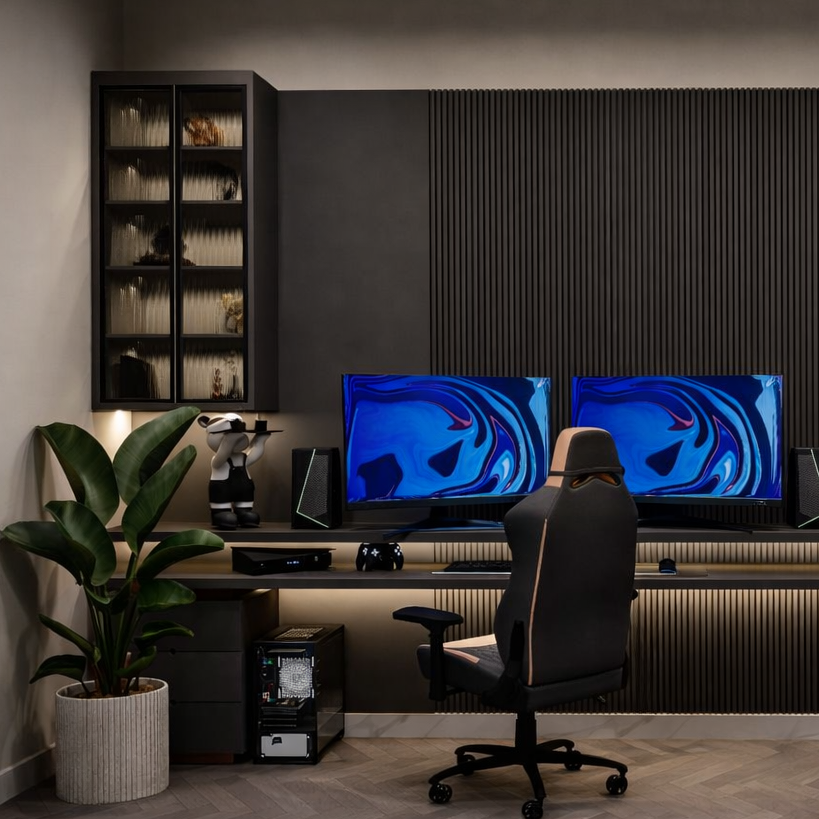
The Rise of the Modern Home Office The home office concept has transformed from a temporary setup into a permanent lifestyle shift. With remote work, hybrid jobs, and freelance culture growing rapidly, homeowners now prioritize dedicated workspaces. A well-designed home office improves productivity, focus, and mental clarity while maintaining comfort. Modern interior design trends emphasize ergonomic furniture, natural lighting, and minimal clutter to create an efficient work-from-home environment. Functional Layout and Smart Space Planning Smart space planning is the foundation of a successful home office design. Whether it’s a compact apartment corner or a separate study room, optimizing layout ensures maximum functionality. Built-in storage units, floating shelves, and multifunctional furniture help maintain organization. Interior designers focus on creating distraction-free zones while incorporating aesthetic elements that reflect the homeowner’s personality Ergonomics and Comfort in Home Office Design Ergonomic office chairs, adjustable desks, and proper lighting are essential for long working hours. Investing in ergonomic furniture reduces back pain and improves posture, making it a key aspect of modern home office interiors. Adding soft textures, indoor plants, and neutral color palettes enhances comfort and boosts creativity. Aesthetic Appeal Meets Productivity A stylish home office balances functionality with design. Contemporary home office interiors often feature minimalist décor, warm wood finishes, accent walls, and statement lighting. Incorporating color psychology in interior design can influence mood and concentration, making the workspace both inspiring and efficient. The right home office concept blends comfort, productivity, and smart interior planning—turning any corner into a powerful workspace.

Organic Designs and Colors: The Role of Color Theory in Modern Interiors

Modern interior design is shifting toward spaces that feel calm, natural, and emotionally balanced. Organic design, combined with color theory, plays a key role in achieving this harmony. Organic interiors draw inspiration from nature through materials, textures, and flowing forms, while color theory helps designers understand how colors influence mood and perception. Together, they create interiors that are visually appealing, functional, and comforting. Understanding Organic Design Organic design focuses on natural shapes, soft lines, and authentic materials that reflect the beauty of nature. Elements like wood, stone, linen, and earthy textures create warmth and simplicity within a space. This approach promotes a connection between indoor environments and the natural world, resulting in interiors that feel relaxed, timeless, and inviting. Role of Color Theory in Interiors Color theory helps designers create balance and emotional impact through thoughtful color selection. Warm tones add energy and comfort, while cool tones promote calmness and relaxation. By understanding how colors interact, designers can ensure visual harmony and avoid overwhelming compositions. Natural Color Palettes in Organic Design Organic interiors rely on nature-inspired palettes such as beige, warm white, sand, and taupe. These neutral tones create a soothing base and allow textures to stand out. Muted colors adapt well to natural lighting, enhancing the overall softness and continuity of the design. Emotional Impact of Organic Colors Nature-based colors influence how people feel within a space. Greens encourage balance and freshness, browns add warmth and stability, and soft blues promote relaxation. Earthy shades like terracotta provide grounding energy, making interiors feel comfortable and welcoming. Texture, Light, and Color Connection In organic interiors, color works alongside texture and lighting to create depth. Materials such as wood, stone, and fabric subtly change how colors appear, while natural light enhances tonal variations throughout the day. This combination creates richness without visual heaviness. Modern Organic Color Trends Contemporary interior trends highlight organic palettes that support wellness and simplicity. Shades like sage green, clay tones, and soft neutrals are widely used to create peaceful and sustainable living environments. These colors reflect a growing preference for calm, nature-inspired spaces. Conclusion Organic design and color theory together create interiors that balance beauty and well-being. Natural forms bring warmth, while thoughtful color choices ensure harmony and emotional comfort. As design continues to evolve, this combination remains essential for creating modern spaces that feel timeless and connected to nature.

Fabric Paintings: The Artistic Touch Your Home Décor Needs

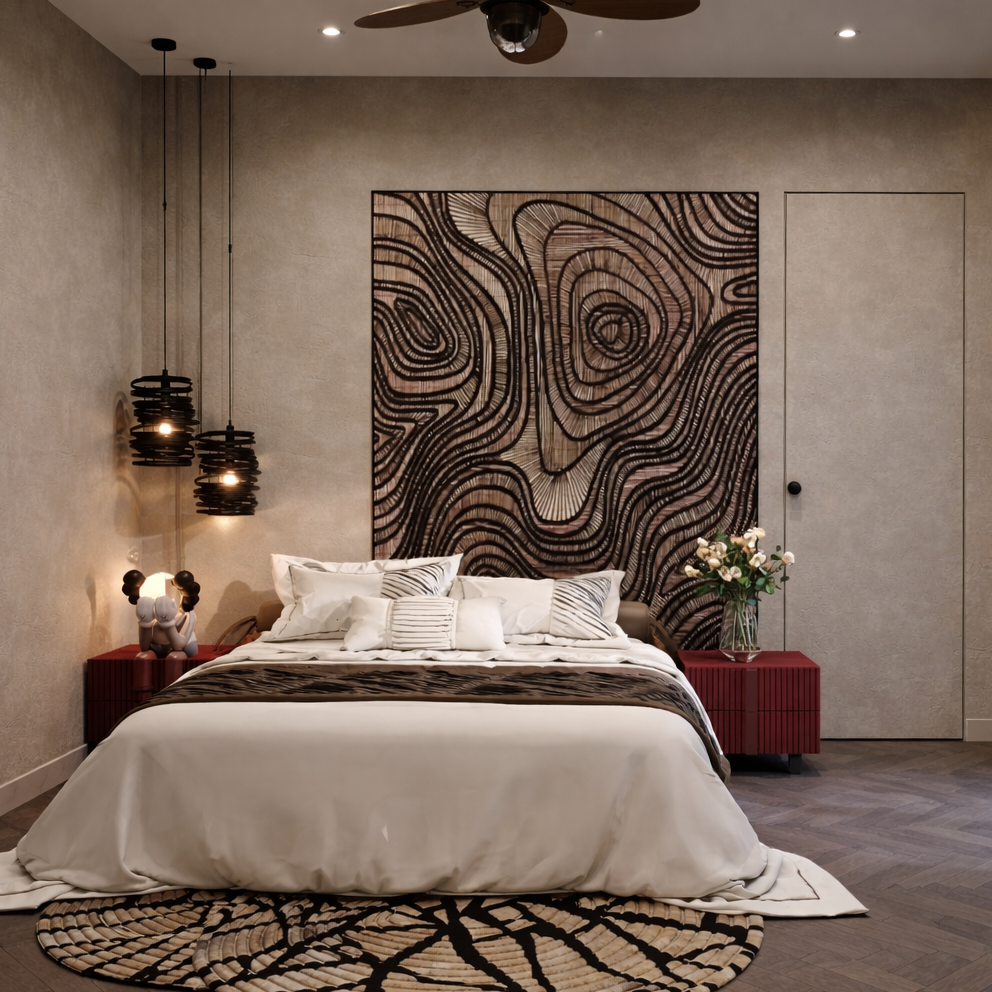
When it comes to transforming a space, walls play a powerful role. While wallpapers and canvas art remain popular choices, fabric paintings are quickly emerging as a favorite in modern interior design. They introduce texture, warmth, and a handcrafted elegance that instantly elevates the atmosphere of any room. But what exactly makes fabric paintings so special? Let’s explore. What Are Fabric Paintings? Fabric paintings are artworks created on textile surfaces using specialized paints and artistic techniques. Unlike traditional wall art, they combine visual beauty with tactile texture, making them ideal for homeowners who want décor that feels both artistic and personal. From abstract compositions to traditional patterns, fabric art blends seamlessly with contemporary as well as classic interiors, adding depth that flat paintings often lack. Why Fabric Paintings Are Trending in Interior Design Modern homeowners today prefer décor that feels unique rather than mass-produced, which is why fabric paintings are gaining popularity. With personalization and craftsmanship becoming key trends in interior design, fabric wall art offers a perfect balance of creativity and elegance. The natural texture of fabric adds warmth to spaces filled with materials like marble, glass, and metal, creating a more inviting atmosphere. Its handcrafted appeal and sustainable nature also make fabric paintings a thoughtful and stylish choice for contemporary homes. Choosing the Right Fabric Painting Before selecting a fabric painting, consider the mood you want your space to convey. Minimal designs work beautifully in modern interiors, while bold patterns add character to statement spaces. Choosing colors that complement your existing palette ensures harmony and balance throughout the room. Final Thoughts Interior design today goes beyond furniture and layouts — it’s about storytelling through thoughtful details. Fabric paintings allow you to introduce art, texture, and personality into your home in a refined yet expressive way. If you’re looking to upgrade your walls with something artistic and sophisticated, fabric wall art may be exactly what your space needs.

Smart Homes: Integrating Technology with Interiors to Enhance Everyday Convenience

Have you ever wished your home could adjust to your routine without you constantly managing it? That is exactly what smart home technology is designed to do. By integrating home automation systems into modern interiors, homeowners can experience comfort, efficiency, and security in a way that feels effortless. Today, smart homes are not just a trend — they are becoming a standard in contemporary residential design. Intelligent Lighting and Climate Control Smart lighting systems allow you to control brightness, color temperature, and ambience according to your mood or time of day. Integrated lighting automation enhances both functionality and aesthetics, especially when planned alongside false ceilings and architectural elements. Similarly, smart climate control systems learn your daily habits and regulate indoor temperatures automatically, improving energy efficiency while ensuring year-round comfort. This seamless blend of technology and design creates homes that are both sustainable and luxurious. Advanced Security and Remote Access One of the biggest advantages of smart home integration is enhanced security. Smart security systems offer features such as remote surveillance, motion detection, biometric locks, and real-time alerts directly to your smartphone. Whether you are at work or traveling, you remain connected to your home at all times. This level of control provides peace of mind while increasing the overall value of the property. Smart Kitchens and Intelligent Living The modern smart kitchen reflects how technology can simplify everyday life. Connected appliances, automated systems, and voice-controlled assistants help manage tasks efficiently without compromising the elegance of the space. When planned correctly within interior layouts, these technologies remain visually discreet yet highly functional. Smart homes ultimately represent the future of interior design — spaces that are not only beautiful but intelligent. By thoughtfully integrating IoT in homes and automation systems during the design stage, homeowners can create environments that enhance convenience, comfort, and long-term value.

Quieter Interiors with Calming Neutrals and Understated Design

In a world that’s constantly buzzing notifications, traffic, deadlines, screens your home should feel like a sanctuary. That’s where quieter interiors come in. At Truq Design Studio, we believe every space should restore, inspire, and reflect the personality of the people living in it. Our approach to calming neutral interiors and understated design creates homes that feel peaceful, timeless, and effortlessly elegant. Why Calming Neutrals Are Dominating Modern Interior Design Neutral interiors are no longer “safe” or “boring.” They are sophisticated, luxurious, and approachable  exactly what we focus on at Truq Design Studio. Whether it’s soft greys, creamy whites, or muted earthy tones, our design philosophy embraces colours that allow your home to breathe while highlighting the finer details that make it uniquely yours. Crafting Calm: Designing Serenity in Every Space Understated design isn’t about empty spaces or cold minimalism it’s about purpose. Every corner tells a story, every material has a reason, and every element is chosen to create a sense of calm. From graceful architectural lines to furniture that balances comfort with elegance, the focus is always on details that matter. Soft, layered lighting sets the mood, while natural textures and materials bring warmth and life to each space. The result? Homes that don’t just look beautiful they feel like a gentle sigh at the end of a long day. Spaces that are peaceful, collected, and entirely yours Bringing Calm to Every Corner Creating a serene, neutral home doesn’t have to mean a full renovation. Sometimes, all it takes is a thoughtful touch here and there. Soft, muted walls in greys, warm beiges, or creamy whites instantly make a space feel lighter and more tranquil, while layered textures — from linen cushions to wooden accents and soft rugs — bring warmth and understated luxury. Lighting plays a big role too: soft LEDs, diffused pendant lights, and floor lamps turn ordinary corners into cozy, inviting spots where you can truly relax. Décor should be meaningful, not crowded, with carefully chosen pieces that tell a story and enhance the room’s calm vibe. The result is a home that feels effortless, peaceful, and completely personal. And if you’re looking to translate this vision into reality, Truq Design Studio can help create interiors that are timeless, serene, and unmistakably yours.

Why Everyone Is Obsessed with This Texture?

Fluted panels have quickly become one of the most popular choices in modern interior design. If you look at new home interiors today, you’ll notice these vertical textured panels being used in living rooms, bedrooms, and even office spaces. They add depth, style, and a premium feel without using heavy decor or bold patterns. That’s exactly why so many homeowners are choosing fluted wall panels for their interior projects. What Are Fluted Panels? Fluted panels are decorative wall panels designed with evenly spaced vertical grooves. These grooves create a soft textured effect that makes a plain wall look more elegant and designed. Instead of keeping walls flat and simple, fluted panel design adds subtle detail that enhances the overall look of the room. They are often used to create feature walls behind TV units, bed headboards, or in dining areas. Why Are Fluted Panels So Popular? One major reason fluted wall panels are trending is because they make rooms appear taller and more spacious. The vertical lines naturally draw the eye upward, which is especially helpful in small apartments and compact homes. They also fit beautifully into modern, contemporary, and minimalist interiors, making them a versatile design choice. When paired with warm lighting or LED strips, the texture creates soft shadows that add warmth and character to the space. Where Can You Use Fluted Panels? Fluted panels can be used in living rooms, bedrooms, dining areas, foyers, and home offices. They are available in materials like MDF, wood, PVC, and even stone finishes, depending on your budget and design style. Whether you want a simple modern look or a more luxurious feel, fluted wall design can easily adapt to your theme. Final Thoughts Fluted panels are more than just a passing trend. They are a smart and stylish way to upgrade your interiors without doing a complete renovation. Sometimes, adding texture to just one wall is enough to transform the entire space and give your home a clean, elegant finish.

Statement Lighting in Interior Design:Elevate Your Home with One Bold Choice

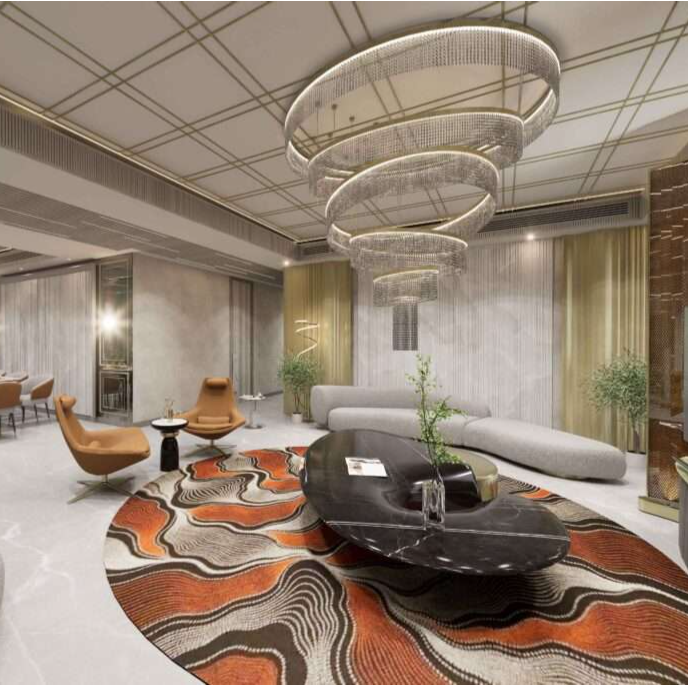
When designing a home, furniture and wall colors often get the most attention. But oneelement has the power to completely transform a space statement lighting.Statement lighting is a light fixture that naturally grabs attention the moment you enter a room. It’snot just about lighting up the space it’s about adding character to it. Unlike regular lights thatquietly blend into the ceiling, statement pieces are chosen to stand out. It could be a strikingchandelier, a pair of elegant hanging lights, or even a bold floor lamp. The right statement lightdoesn’t just brighten a room; it makes the space feel thoughtfully designed and complete.In today’s interior design trends, lighting is no longer just practical it’s architectural. A well-chosenstatement light can make a simple living room feel luxurious or turn a plain dining area into anelegant gathering space.Strategic Placement for Maximum ImpactIn the living room, a striking chandelier or bold pendant creates a strong focal point and tiesthe entire design together.Above the dining table, statement lighting helps define the space while adding warmth andintimacy to gatherings.In the entryway or foyer, a standout fixture creates a lasting first impression and sets the tonefor the rest of the home.In bedrooms, hanging bedside pendants or soft chandeliers add elegance without clutteringside tables.Even overlooked areas like staircases and double-height spaces can become design highlightswith cascading or cluster lights.Choosing the Right Statement LightingWhen selecting statement lighting, consider the ceiling height, room size, and overall interiorstyle. Scale and proportion are important a fixture that’s too small can feel lost, while onethat’s too large may overwhelm the space. Layering your lighting with ambient and accentlights also helps create balance.When chosen thoughtfully, statement lighting enhances ambience, improves spatial balance,and adds a refined, curated feel to your home. Sometimes, the most powerful design decisionis the one hanging right above you.

What Truly Defines Luxury in Design Today and Why It’s Not About Materials Alone

Today luxury in design is no longer measured by visual excess or the cost of finishes. True luxury in interior and architectural design lies in how a space functions, how it feels, and how effortlessly it supports everyday life. The most refined spaces are calm, balanced, and intuitive – designed not to impress at first glance, but to remain meaningful over time. At TruQ Design Studio, we view luxury as an experience shaped by clarity of thought, careful planning, and intentional design decisions.While premium materials continue to play an important role, they do not define luxury on their own. A truly luxurious space emerges when materials are selected with purpose – considering durability, comfort, and emotional impact. Our approach focuses on how materials respond to light, proportion, and movement, ensuring every choice adds depth and lasting relevance rather than following temporary trends.Modern luxury spaces are deeply personal. Whether designing a residence, a workplace, or a large-scale project, true luxury lies in reflecting the lifestyle and values of the people who use the space. Instead of replicating popular styles, we create bespoke environments that feel authentic, allowing the design to evolve naturally with those who live and work within it.For TruQ Design Studio, luxury is never loud or decorative. It is clarity, balance, and emotional connection expressed through thoughtful detail. A well-designed luxury interior creates ease, confidence, and a quiet sense of belonging. We design meaningful, future-ready spaces where luxury is defined not by cost but by comfort, purpose, and the way a space continues to feel long after it is completed.

The Art of the Sanctuary: Why the Mosaic Wall is the Soul of the Modern Luxury Bathroom

We often treat the bathroom as a purely functional space—a place to rush through our morning routine. But at Truq Design Studio, we see it differently. It is the one room where you can truly close the door on the world. To turn that room into a sanctuary, we almost always turn to mosaics. There is something incredibly grounding about a mosaic wall; it takes a space that can feel cold or sterile and gives it a pulse, a texture, and a soul. The real magic happens when water meets light. Unlike a flat slab of stone, a mosaic is made of thousands of tiny facets. When the room fills with steam or the lights are dimmed for a evening soak, those tiles catch the light from every angle. If we use hand-cut glass or pearlescent finishes, the wall begins to shimmer like the surface of a lake. It transforms your daily shower into a sensory ritual—it’s no longer just a wall; it’s an experience. From a design perspective, mosaics allow us to do what other materials can’t: they embrace curves. Whether it’s a rounded shower bench or a soft architectural nook for a freestanding tub, mosaics wrap around the space like a cocoon. This fluidity creates a protective, luxurious feel that hard edges simply can’t match. Plus, they are practically indestructible, handling humidity and temperature shifts while remaining a timeless masterpiece. When we sit down with you to choose a palette, we’re really choosing an emotion. We love creating “fades”—where the color is deep and grounding at your feet and slowly evaporates into a light, airy mist as it reaches the ceiling. This draws the eye upward, making even a private ensuite feel grand and soaring. At Truq, we believe a well-placed mosaic is the secret “alchemy” that turns a bathroom into a retreat. It’s a gift to your future self—an investment in those quiet moments when you finally get a second to breathe.

TRUQ DESIGN STUDIO: Crafting Spaces, ShapingExperiences

TRUQ DESIGN STUDIOCrafting Spaces, Shaping Experiences TruQ Design Studio isn’t just an interior design company — it’s a creative mindset. Built on the belief that thoughtful design can transform the way we live, work, and feel, TruQ has grown into a multidisciplinary studio that blends beauty with purpose. Every space they create is timeless, personal, and crafted to reflect the dreams and lifestyle of the people who inhabit it. 1. Inspiration & Mission TruQ was born from a simple but powerful idea: every space has a story. The studio believes homes and workplaces aren’t just structures — they’re expressions of identity. With this philosophy, TruQ aims to create environments that are not only visually stunning but also emotionally meaningful and functionally intelligent. For TruQ, design is not decoration. It is an artful, strategic process of observing people, understanding spaces, and shaping solutions that elevate comfort, efficiency, and everyday living. 2.What Makes TruQ Different TruQ’s strength lies in its unwavering commitment to personalized design. In a world driven by fleeting trends and mass-madeaesthetics, TruQ chooses a different path — one where every project begins with deep conversations, careful observations, and a genuine effort to understand the client’s life, habits, challenges, and aspirations. This human-first approach allows the studio to create designs that truly solve problems — through intelligent layouts, refined material palettes, and thoughtful detailing.Their execution is as strong as their creativity. From the first sketch to the final handover, TruQ maintains a transparent, structured workflow. A trusted network of expert vendors and skilled craftsmen ensures utterly refined quality and flawless finishing in every corner. 3. Signature Service Among its wide range of architectural and interior offerings, TruQ is best known for its turnkey design solutions. Here, the studio takes full responsibility — designing, planning, sourcing, executing, and installing. Every detail is aligned with the original vision, resulting in spaces that feel cohesive, elegant, and effortlessly functional. 4. Brand Personality TruQ’s essence is a blend of modern sophistication and warm authenticity. The brand speaks with quiet confidence- not loud or extravagant, but refined and meaningful. Its personality is rooted in trust, commitment, and creativity. Think timeless textures, elegant materials, and design that whispers luxury rather than shouting it. 5. The Entrepreneur’s Journey & Lessons Learned Through the years, TruQ has learned one timeless truth: Design becomes extraordinary only when it truly serves people.  Each project has taught the team the value of patience, empathy, and precision. Their growth continues through collaborations, innovation, and a relentless pursuit of quality. 6.Future Vision Looking ahead, TruQ Design Studio envisions expanding its influence across Indiaand beyond. With bold ideas and deeper craftsmanship, the studio aims to shape the future of modern living — one bespoke space at a time. Driven by creativity and purpose, TruQ stands ready to create spaces that inspire, comfort, and elevate everyday life.

Transform Your Home with TruQ Design Studio

Transform Your Home with TruQ Design Studio As we approach 2025, interior design trends are evolving to focus on comfort, creativity, and sustainability. Whether you’re looking to refresh your home décor or office design, these 2025 interior design trends will help you create the perfect balance of beauty and functionality in your space. 1. Wellness-Centric Spaces: Prioritize Self-Care in Your Home The rise of home wellness is one of the biggest 2025 interior design trends. After the pandemic, creating dedicated spaces for self-care has become essential. Consider transforming areas of your home into meditation rooms, yoga spaces, or even a mini home spa. Focus on natural materials, soothing colors, and peaceful décor elements to create an environment that nurtures both mental and physical well-being. This trend highlights the importance of creating a personal sanctuary where you can unwind and recharge. 2. Handcrafted Clay & Ceramics: Adding Artisan Charm to Your Space Clay and ceramics are making a strong comeback in 2025. These earthy materials bring a sense of warmth and inviting texture to any room. Expect to see more handmade pottery, artisan vases, and ceramic sculptures incorporated into interior designs. These unique, one-of-a-kind pieces help add personality and character to your home, while supporting the growing trend of sustainable and eco-friendly décor. 3. Bold Earth Tones: Bringing Nature Indoors In 2025, expect earth tones to make an even bigger impact in interior design. Rich, deep shades like terracotta, forest green, and ochre will dominate spaces, creating a grounded, calming atmosphere. These nature-inspired hues are perfect for enhancing the organic beauty of your space. Pair them with natural wood accents and soft textures to create an atmosphere that is both relaxing and connected to the natural world. 4. Classic Furniture Revival: Timeless Pieces for Modern Living Classic furniture is making a strong return in 2025, bringing timeless elegance and durability to interiors. With a focus on clean lines, high-quality materials, and functional design, these pieces combine sophistication with comfort. Whether you’re incorporating vintage-inspired furniture or modern classics, this trend blends the best of both worlds—traditional style with a contemporary edge. 5. Sculptural Lighting: Transforming Spaces with Artful Fixtures Lighting design is becoming a focal point in 2025, with artistic light fixtures taking center stage. Sculptural chandeliers, custom-designed lamps, and other unique lighting elements are used to add drama and creativity to any space. Not just functional, lighting is now a key element in enhancing the overall aesthetic of the room. Creative lighting designs help set the mood, highlight focal points, and elevate the ambience of your home or office.As we embrace the trends of 2025, interior design is focusing on sustainability, simplicity, and artistic expression. These emerging trends will help you create a home that feels both personal and vibrant. Ready to update your space? Let Truq Design Studio help you bring these interior design trends to life and create a space that reflects your unique style and taste.

The Evolution of Modern Architecture: A Journey Through Time

The Evolution of Modern Architecture: A Journey Through Time Architecture is more than simply an enterprise of building; it symbolizes human progress, cultural change, and technological evolution. From the most imposing ancient temple to the minimalist skyscrapers of today, architecture reflects changing human priorities and capabilities. The contemporary architectural story is particularly exciting due to its involvement with industrialization, urbanization, and increased environmental awareness. We will walk you through some defining steps of modern architecture from ancient traditions to fresh, inspirational pieces of today depicting influencing movements and corresponding names in this evolution. Pre-Modern Architecture: Building Foundations The first architectural period reflected its influence from tradition and religion as well as materials that were mostly stone, wood, and brick. Styles had evolved over the centuries and design was essentially central to ornate ornamentation and symmetry. These pre-modern architectural periods set the groundwork for the modern innovations. Classical Architecture (5th century BCE – 5th century CE). It’s one of the oldest styles of architecture, hailing from ancient Greece and Rome, which often called attention to columns, symmetry, and proportion. The great modern architects still visit structures like the Parthenon or the Colosseum to admire their aesthetic and partly their principles. Goth architecture (12th -16th centuries) They celebrate Gothic architecture with pointed arches, flying buttresses, and, of course, towering spires to evoke the full majesty of medieval Europe. Structures like Notre-Dame Cathedral in Paris stand for spiritual aspiration-the verticality, the light that revolves. Renaissance and Baroque Architecture (15th – 18th cent.) The ideals of symmetry, balance, and order were revived in design by Renaissance architects. This was to be followed by more dramatic forms, dynamic, and ornamental richness of Baroque architecture. The greatest examples of this sort can be seen in the St. Peter’s Basilica of Rome. Change of Thought: The Birth of Modern Architecture But for all this, architecture in the late 19th and early 20th centuries began developing as modern architecture itself, driven by the industrial revolution and changes in technology. Synchronization between architects allowed them to apply steel, concrete, and glass when constructing taller, open buildings, with changed usages of building space and style. Industrial Revolution and New Materials In reality, the Industrial Revolution revolutionized architecture by discovering new construction techniques, thereby making it possible to have skyscrapers and huge public buildings. The period saw the use of steel frames or structures and reinforced concrete as well as glass, which began to dictate; skyscrapers started cropping up in cities like Chicago and New York. This led to modern architecture where functionality efficiency, and minimalism became the norm. Arts and Crafts Movement (1880 – 1910) The movement responded to industrial mass production by emphasizing handcrafted quality, materials from nature, and designs that were functional yet stylistically simple. Pioneers like William Morris were highly interested in restoring to handcrafted quality use and applied nature-inspired designs, later characteristics of modernist architects. Art Nouveau (1890 – 1910) With organic shapes and elaborately detailed forms, Art Nouveau combined the new materials with nature-influenced forms. Antón Gaudí is famous for his architecture work, which included linking function to art in flowing lines and plant motifs in the Casa Batlló in Barcelona. This style was, however, short-lived and bridged past kinds of decoration with modern architecture’s focus on form and structure. Modernism: A New Perspective in Architecture Perhaps, the modernist architects would have abandoned all the styles of history during the early years of the 20th century. Modernism almost literally preferred fewer ornamentations and more emphasis on new technology than any other earlier style. It also believed that buildings must be created to satisfy their functions wherein form follows function. Bauhaus Movement (1919- 1933) The greatest architects of his time, Walter Gropius founded the Bauhaus School of design in Germany. This school had immense influence on the modern architectural movement. According to this school, art could marry technology and functionality. The inspired architects presented minimalism, geometric shapes, and an absolute absence of decorative features. Such designs can be seen throughout the world and hence, provided the scaffolding for modernism. International Style (1920s – 1930s) International Style offered the fundamentals of modernity: clean, bare, universal beauty. Iconic leaders such as Le Corbusier and Mies van der Rohe used glass, steel, and reinforced concrete for construction and created streamlined, functionally open areas. This style may be seen in structures such as New York’s Seagram Building, or France’s Villa Savoye, which is dedicated to open interior spaces combined with the shunning of ornamentation along with the clarity of lines. Le Corbusier’s “Five Points of Architecture This influential figure of modernity, Le Corbusier, was accompanied by his “Five Points of Architecture” adapted into modern design. Pilotis: A building on stilts is raised from the ground. Green Roofs: Use rooftops as useful green spaces. Some of the interior designs include the following: Horizontal Windows: Maximum possible daylight and airing. Free Façade: It allows for a flexible exterior design independent of the building’s structural elements. Postmodernism and Contemporary Architecture: Questions Before the Principles Modernism’s austere style minimalism had peaked by mid-20th century and received increasing criticism that it was cold and impersonal. Architectural postmodernism, which followed with the introduction of historical references and decoration and playfulness, marked the beginning of the end. Postmodern Architecture (1960s – 1980s) Gone were the rigidity of modernism, and the multiple styles, ornamentation and historical references flowed through postmodernism. Architects like Michael Graves took the chance to take the design of buildings into articulate, colorful, and human-centered examples; like Portland Building, history made with modern elements of design. Deconstructionism (1980s – To Date) Deconstructionism embraced fragmentation, non-linear forms, and unorthodox materials. Architects like Frank Gehry of the Bilbao Guggenheim museum used complex geometries as well as new materials to construct structures that presented the view as chaotic but rich in art. This defied notions about how symmetry should also cater for functionality. Sustainable and Green Architecture – 21st Century Higher exposure to media and people’s concern over climate change drew the attention of architects toward sustainable… Continue reading The Evolution of Modern Architecture: A Journey Through Time

Mastering Material Selection: How to Choose the Perfect Materials for Every Room in Your Home

Mastering Material Selection: How to Choose the Perfect Materials for Every Room in Your Home Choosing the right materials is one of the most crucial decisions in interior design. Materials define the durability, comfort, and overall functionality of your home. Whether you’re working on a cozy living room, a busy kitchen, or a serene bedroom, material selection requires balancing beauty, practicality, and budget. In this guide, we’ll cover essential tips to help you pick the best materials for every room in your home. Define the Purpose of the Space Each room serves a unique function, and your material choices should reflect that. Start by evaluating how each space will be used. Living Room: As a central gathering spot, the living room should feel warm and inviting. Hardwood flooring adds a cozy feel, while wool or linen upholstery offers a balance of softness and durability. Rugs made from natural fibers, like jute, also bring warmth underfoot. Kitchen: High-traffic and prone to spills, the kitchen requires durable, easy-to-clean materials. Quartz or granite countertops provide long-lasting surfaces that resist stains and heat. For flooring, porcelain tiles are an excellent choice due to their resilience and low maintenance. Bathroom: Bathrooms are high-moisture environments, so water-resistant materials are essential. Ceramic or porcelain tiles work well for walls and floors, while engineered stone counters can withstand humidity. Waterproof paints and sealants will also extend the longevity of these areas. Bedroom: Comfort is key in bedrooms, making soft textiles and flooring a priority. Opt for plush carpets or hardwood floors with area rugs. Upholstered headboards and luxurious bedding can create a peaceful and relaxing atmosphere. Consider Durability and Longevity Durable materials will extend the life of your design and minimize future maintenance. In high-traffic areas, durability is particularly important. Hardwood vs. Engineered Wood: Hardwood is a classic option but may require refinishing over time. Engineered wood is more resistant to moisture and warping, making it better suited for kitchens or bathrooms. Quartz vs. Marble Countertops: Marble offers a high-end look but is prone to staining. Quartz mimics the beauty of marble but is far more durable and resistant to wear, making it a better choice for busy spaces. Natural Fiber Rugs vs. Synthetic Rugs: Natural fibers like wool or jute add texture and comfort but wear down faster. Synthetic rugs, made from materials like nylon, are more durable and easier to clean, making them ideal for high-traffic areas. Prioritize Aesthetics and Style Aesthetics play a huge role in material selection, as the materials you choose will define the overall design style of your home. Wood: Wood is timeless and versatile, complementing styles ranging from modern to rustic. Light woods, such as oak or maple, work well in Scandinavian designs, while darker woods like walnut can create a more traditional look. Stone: Natural stone adds a sense of luxury and texture. Granite and limestone are great for countertops and backsplashes, while polished concrete can bring a modern, industrial feel to a space. Glass and Metal: Glass and metal provide sleek, modern looks. Glass tables or shelving can make small spaces feel more open, while metal accents, such as brass or stainless steel, bring a sophisticated touch. Align Materials with Your Budget Material choices should always align with your budget. Fortunately, there are options to suit any price range. Premium Choices: If budget isn’t a constraint, high-end materials like marble, hardwood, and custom cabinetry can add luxury to your home. Quartz countertops or natural stone tiles are excellent investments in terms of both aesthetics and durability. Budget-Friendly Alternatives: For projects that are cost-conscious, laminate flooring or luxury vinyl tiles can replicate the look of wood or stone without the price being high. Composite materials for countertops, such as quartz blends, can provide the appearance of natural stone at a more affordable price point. DIY-Friendly Options: Some materials, like peel-and-stick tiles or vinyl planks, are easy to install on your own, saving on labor costs. These options can still provide a professional finish while allowing for more budget flexibility. Sustainable and Eco-Friendly Materials As sustainability becomes a priority in design, eco-friendly materials are becoming more popular. These options not only reduce environmental impact but can also add a unique touch to your home. Reclaimed Wood: Using reclaimed wood for flooring, walls, or furniture can reduce your environmental footprint while adding character and history to your space. Reclaimed wood is ideal for rustic or industrial designs. Bamboo: A fast-growing and sustainable material, bamboo is a great alternative to traditional hardwood. It possesses qualities like durability and water resitance, making it suitable for flooring and cabinetry. Recycled Materials: Recycled glass or metal can be used in countertops or accent pieces, adding a unique and environmentally conscious element to your design. These materials are often used in modern and industrial designs. Mix and Match for Visual Interest Combining different materials within a space adds depth and visual intrigue. Mix textures, patterns, and finishes for a more dynamic look. Wood and Metal: Combining natural wood with industrial metals creates a modern-industrial vibe. For example, pairing a wooden dining table with metal legs can bring balance between rustic and contemporary design. Stone and Glass: Stone countertops or floors paired with glass backsplashes or tabletops create a harmonious balance of heavy and light elements. Glass adds airiness, while stone provides grounding. Textiles and Leather: Mixing fabrics like velvet or linen with leather upholstery adds richness and comfort. This combination is ideal for creating a cozy and luxurious living room or bedroom. Plan for Long-Term Value When selecting materials, think beyond current trends to ensure long-term appeal. Timeless materials will offer lasting value and require fewer updates over time. Timeless Materials: Wood, stone, and neutral textiles are classic choices that never go out of style. These materials will ensure that your interior remains relevant and can adapt to evolving design trends. Easy-to-Update Options: If you want flexibility for future updates, choose materials that are easy to change. Vinyl flooring, for instance, is easy to replace, while… Continue reading Mastering Material Selection: How to Choose the Perfect Materials for Every Room in Your Home

Sustainable Architecture: Building for a Greener Future

Sustainable Architecture: Building for a Greener Future As concerns about climate change and environmental degradation grow, sustainable architecture has become a critical part of building eco-friendly spaces, including home interiors. Combining principles of sustainability with cutting-edge interior design, sustainable architecture offers a greener future by reducing the environmental impact of buildings while creating healthier living spaces. Whether you’re looking to design a new home or remodel your interiors, sustainability should be a top priority. What is Sustainable Architecture? Sustainable architecture focuses on creating buildings that are energy-efficient, eco-friendly, and in harmony with nature. For interior designers and architects, this means selecting materials, designs, and technologies that minimize waste, reduce energy consumption, and incorporate natural elements into living spaces. From energy-efficient lighting to nature-inspired interiors, sustainable architecture is about making choices that support both human health and the environment. Sustainability in Interior Design When it comes to home interior design, sustainability involves selecting environmentally responsible materials and designs. Interior designers near you are increasingly adopting sustainable practices, such as using recycled materials, non-toxic paints, and energy-saving appliances, to create beautiful yet eco-friendly homes. Here are key elements of sustainable interior design: Eco-friendly Materials: Choose furniture, flooring, and décor made from renewable or recycled materials, such as bamboo, reclaimed wood, or recycled metal. This not only reduces waste but also lessens the carbon footprint of your interiors. Natural Lighting: Maximizing natural light reduces the need for artificial lighting, saving energy. Well-placed windows, skylights, and open layouts help create bright, airy interiors with a lower environmental impact. Indoor Plants: Incorporating greenery into your interiors not only enhances aesthetics but also improves air quality and creates a connection with nature, promoting a healthier indoor environment. Why Sustainability Matters in Interiors Environmental Impact: The construction and design industries are major contributors to environmental issues like deforestation and pollution. Sustainable architecture and interior design help reduce this impact by using renewable resources and minimizing waste. Energy Efficiency: Sustainable home interiors are designed to conserve energy. This includes using energy-efficient lighting, appliances, and insulation. Solar panels and smart thermostats are also popular choices among interior decorators and homeowners committed to sustainability. Healthier Living Spaces: Choosing non-toxic, sustainable materials improves indoor air quality and reduces exposure to harmful chemicals, creating a healthier living environment for you and your family. Nature-Inspired Interiors Interior designers near you are increasingly adopting biophilic design—a principle that incorporates nature into interiors. This design approach brings natural elements such as plants, water features, and sunlight into your home, creating a calming, visually appealing atmosphere. These designs blur the line between indoors and outdoors, fostering a closer connection to nature, which can enhance well-being and reduce stress. Innovations in Sustainable Interior Design As more people prioritize sustainability, interior decorators and designers are embracing innovative solutions for eco-friendly interiors. Here are some emerging trends: Smart Home Technology: Smart lighting, heating, and cooling systems help reduce energy consumption. These systems can adjust based on occupancy, daylight levels, and temperature, making your home more efficient and comfortable. Green Walls and Roofs: Green walls (vertical gardens) are becoming popular in home interiors, providing insulation, improving air quality, and creating a natural aesthetic. These installations can be incorporated both inside and outside your home for an eco-friendly touch. Sustainable Furnishings: Look for furniture made from certified sustainable materials or those created from upcycled resources. Choosing high-quality, durable pieces also reduces waste by ensuring your interiors stand the test of time. Finding Sustainable Interior Designers Near You If you’re searching for interior designers near me or interior decorators near me who specialize in sustainable design, many professionals offer eco-conscious solutions tailored to your needs. Whether you’re building a new home or redecorating your living spaces, working with a designer who understands sustainability ensures your project aligns with environmentally friendly principles. Local interior designers can help you select energy-efficient appliances, natural materials, and sustainable design elements to create a space that’s both stylish and green. In addition to providing aesthetic guidance, they can advise on how to reduce energy consumption and incorporate nature into your interiors. Sustainable Architecture in Action: Real-Life Examples Here are a few examples of sustainable architecture and interior designs that seamlessly blend functionality with eco-friendly principles: The Edge, Amsterdam: This green office building utilizes natural lighting, smart energy systems, and recycled materials, making it a leader in sustainable architecture. Bosco Verticale, Milan: These residential towers integrate over 20,000 trees and plants into their architecture, bringing nature into urban spaces and creating a sustainable, living environment. One Central Park, Sydney: Known for its green walls and eco-friendly design, this mixed-use building features water recycling systems, sustainable materials, and energy-efficient systems. The Future of Sustainable Interiors As more homeowners embrace sustainable living, the demand for eco-friendly interior designers and decorators is on the rise. Future trends in sustainability will likely focus on net-zero homes, circular design (where materials are reused and repurposed), and even more integration of smart technologies to reduce energy use. For those looking to redesign their interiors, working with an interior decorator near me who focuses on sustainability is the first step toward a greener, healthier home. From energy-efficient designs to nature-inspired interiors, the future of home décor lies in sustainable, eco-conscious choices. Conclusion Sustainable architecture is reshaping the world of home interior design, blending beauty with environmental responsibility. By choosing sustainable materials, energy-efficient technologies, and nature-inspired designs, you can create a home that’s both stylish and kind to the planet. Whether you’re searching for interior designers near me or simply exploring eco-friendly options, sustainability is the key to building a greener future—both for your home and the world around you.

Call Now Button
×