

Generative Architecture: Designing Smarter Spaces Through Data and Creativity
What Is Generative Architecture? Generative architecture is transforming the way designers approach the built environment by combining creativity with advanced computational design. Instead of manually exploring a few concepts, architects can generate hundreds of design possibilities based on specific goals, constraints, and performance criteria. This innovative approach helps create more efficient, sustainable, and adaptive spaces. From residential interiors to large-scale urban developments, generative design is reshaping modern architecture. The process relies on algorithms, artificial intelligence, and parametric modeling to optimize outcomes. As a result, architects can make informed decisions while maintaining artistic vision and functionality. How Generative Design Solves Real-World Challenges A practical example of generative architecture can be seen in workspace planning, where algorithms evaluate natural light, circulation, and space utilization before suggesting optimal layouts. In real-life scenarios, firms use computational architecture tools to reduce material waste and improve energy efficiency. One valuable insight is that generative design does not replace architects; it enhances their ability to solve complex challenges. A useful tip is to define clear project objectives before generating design options, ensuring meaningful and relevant outcomes. This approach supports sustainable architecture by balancing aesthetics, performance, and environmental responsibility. Consequently, buildings become more responsive to both user needs and site conditions. Actionable Takeaways and the Future of Generative Architecture The future of generative architecture lies in creating intelligent spaces that continuously adapt to changing requirements. As artificial intelligence in architecture evolves, designers will gain deeper insights into user behavior, environmental impact, and long-term building performance. An actionable takeaway for architects is to start integrating data-driven design tools into early project stages to unlock innovative possibilities. Another key recommendation is to combine human intuition with algorithmic thinking for the best results. The greatest strength of generative architecture is its ability to explore solutions that may otherwise remain undiscovered. Ultimately, it represents a shift toward smarter, more sustainable, and highly optimized architectural design.
Royal Landscapes Through Time: How Gardens Became Symbols of Power and Prestige
Throughout history, gardens have been far more than decorative outdoor spaces. For kings, queens, and ruling dynasties, royal gardens served as powerful symbols of authority, wealth, and cultural identity. Carefully designed landscapes showcased control over nature while reflecting political influence and artistic vision. From expansive courtyards to symmetrical layouts, these spaces communicated status without words. A key insight for modern designers is that intentional planning creates lasting impressions. Understanding the history of landscape architecture, garden design, and royal heritage reveals how outdoor spaces have always played a role in storytelling. Many historic gardens were created to impress visitors, diplomats, and citizens alike. A real-life example can be seen in palace grounds where pathways, water features, and greenery were arranged to guide movement and highlight important viewpoints. These historical gardens blended beauty with purpose, making them tools of representation as much as relaxation. One actionable takeaway is to use structure and focal points when designing modern outdoor areas. Whether in public parks or private residences, the principles of formal gardens, garden planning, and heritage landscapes continue to influence contemporary design approaches. Today, historians and designers study these landscapes to understand how power, culture, and environment intersected across different eras. The enduring appeal of royal gardens lies in their ability to create memorable experiences while expressing identity and prestige. A practical tip for homeowners is to incorporate balanced layouts, seasonal planting, and meaningful focal elements to achieve a timeless look. By drawing inspiration from historic landscape design, royal architecture, and outdoor aesthetics, modern spaces can capture the same sense of elegance and purpose. These gardens remind us that thoughtful design can communicate values, history, and aspiration across generations.
Small Space, Big Impact: The Ultimate Guide to Space Planning Your Home
A well-designed home is not always about size – it is about smart space planning. In today’s modern lifestyle, compact homes, apartments, and studio spaces are becoming more common, making interior design, functional layouts, and space optimization more important than ever. As the quote says, “Simplicity is the ultimate sophistication.” Thoughtful furniture placement, natural lighting, and multi-functional elements can completely transform even the smallest room into a comfortable and visually open environment. When every corner is planned with intention, a small home can feel spacious, calming, and highly efficient without compromising on style or personality. The key to successful home space planning lies in balancing aesthetics with practicality. Instead of overcrowding rooms with unnecessary decor, modern interiors focus on clean lines, hidden storage, and flexible furniture solutions. A foldable dining table, wall-mounted shelves, or a neutral color palette can instantly create the illusion of openness and improve the overall flow of the house. “Your home should work for you, not against you,” is a principle many designers follow while planning compact spaces. Smart zoning techniques, minimalistic styling, and layered lighting also help define areas without making the home feel divided or cluttered. Every design decision should enhance comfort while maximizing available square footage. Creating a beautiful small home is ultimately about understanding how people live and move within a space. Good space management is not about filling rooms – it is about creating breathing room and emotional comfort. Natural textures, mirrors, vertical storage, and strategic layouts can make interiors feel larger, brighter, and more welcoming. Modern homeowners are now embracing the idea that functionality itself can be luxurious. “A thoughtfully planned space tells a story without saying a word.” Whether it is a compact urban apartment or a cozy family home, intelligent space planning ideas can turn limitations into opportunities and make every inch of the home feel meaningful, elegant, and impactful.
Ancestral Structures & Architecture That Lasts for Years
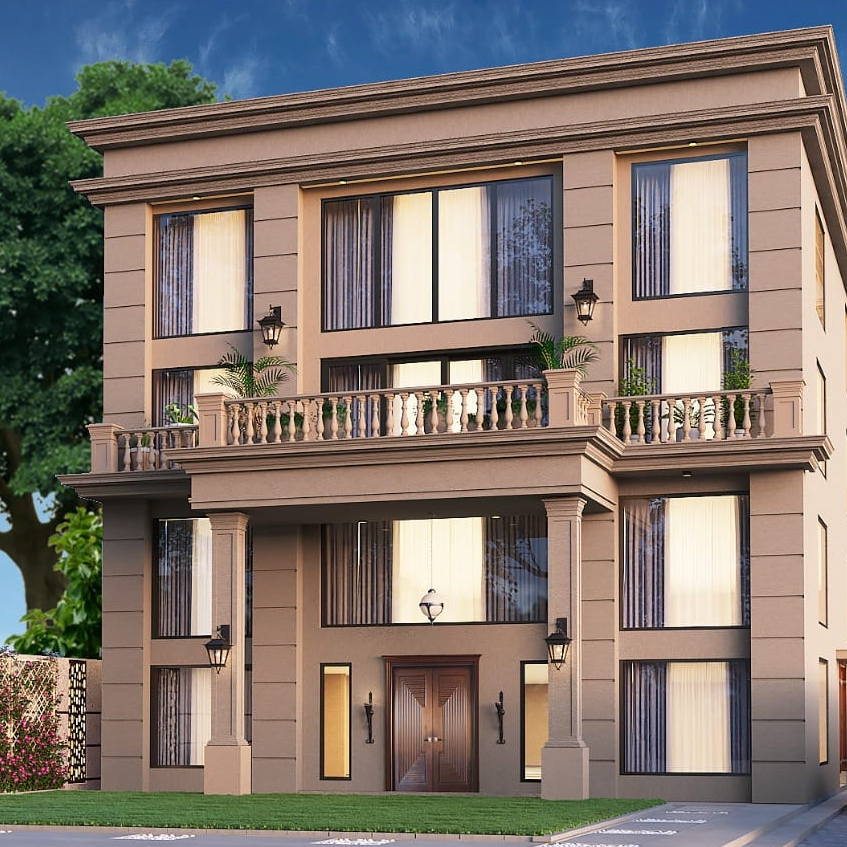
Have you ever stood in front of an old haveli, a centuries-old temple, or even your grandparents’ home… and wondered, how is this still standing so strong? There’s something special about ancestral structures. They don’t just survive time—they age with grace. And honestly, modern buildings? They often don’t come close. So what’s the secret? Let’s talk about it. It Was Never Just About Building—It Was About Understanding Back then, architecture wasn’t rushed. It wasn’t about finishing a project quickly or cutting costs. It was about: Homes were built with thick walls to keep heat out, inner courtyards for natural light and airflow, and materials like stone, lime, and wood that actually breathe. Today, we call it “sustainable design.” Back then? It was just common sense. Built to Last… Not to Replace Most modern constructions are designed with a lifespan in mind—20, 30, maybe 50 years. But ancestral structures? They were built for generations. Think about it: Instead of deteriorating quickly, these structures develop character. The cracks, the textures, the faded colors—they tell stories. And that’s something no modern polish can replicate. There Was Emotion in Every Corner This is something we often overlook. Ancestral homes weren’t just “projects.” They were personal. Every space had meaning: These spaces were designed for living, not just for looking good on Instagram. What Modern Architecture Can Learn Now, this doesn’t mean modern design is bad. But it can learn a lot. Imagine combining: With: That’s where magic happens. Because Good Architecture Isn’t Temporary At the end of the day, trends will change. Minimal today, maximal tomorrow.Concrete today, something else next year. But architecture that lasts?It goes beyond trends. It feels rooted. It feels timeless. A Thought to Take With You Next time you walk past an old structure, don’t just see it as “outdated.” Look closer. You might just find: Because sometimes, the future of architecture… is hidden in the past.
Maximizing Small Spaces: Turning Limitations into Lifestyle
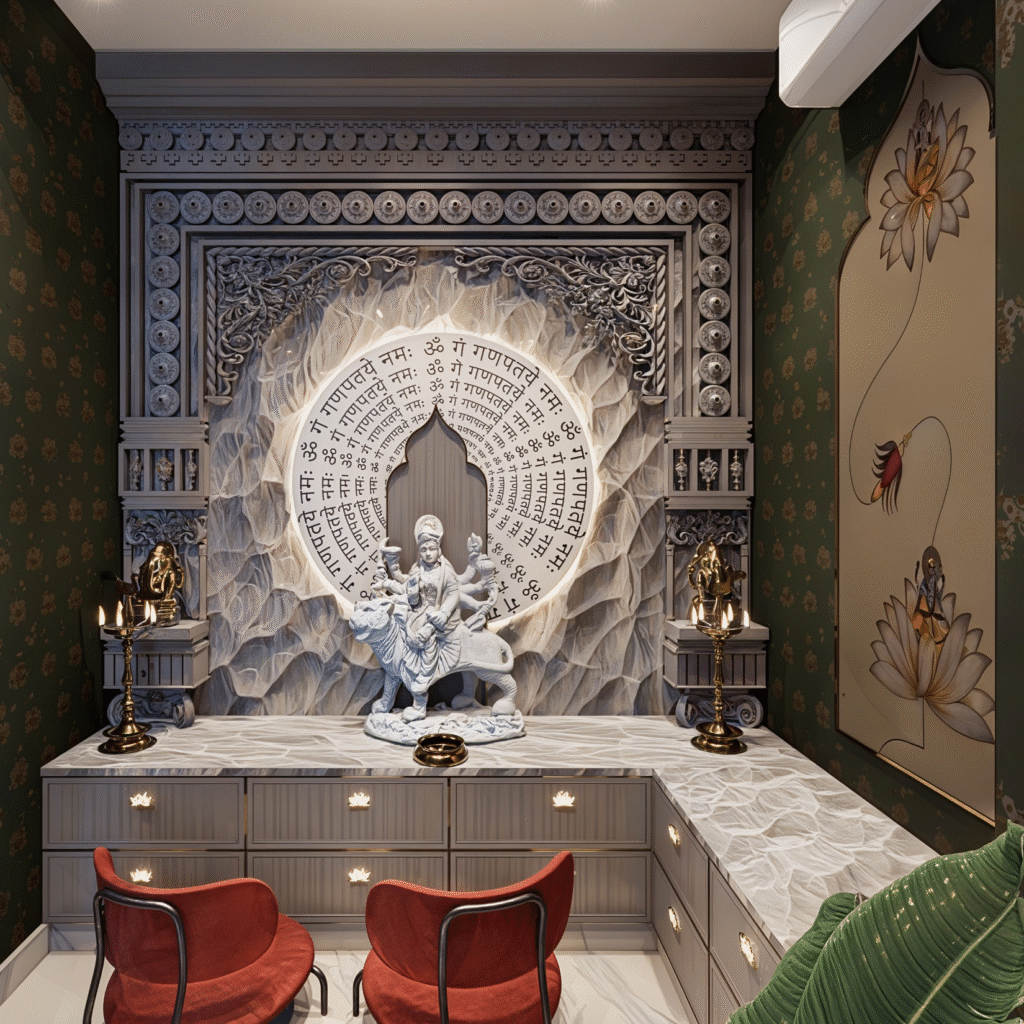
Let’s be honest—small spaces get a bad reputation. The moment someone hears “compact apartment” or “studio living,” they picture clutter, compromise, and constant adjustment. But what if the problem isn’t the size… it’s how the space is being used? Because a well-designed small space doesn’t feel small—it feels intentional. Think about your current space for a second. Is every corner working for you, or just… existing? That empty wall, the awkward corner, the bulky furniture that looked great in the showroom but now dominates the room—these are all missed opportunities. Maximizing a small space isn’t about stuffing more into less; it’s about making every element earn its place. Start with the basics: functionality. In smaller homes, furniture shouldn’t just sit there looking pretty—it should do something. A bed with storage underneath, a coffee table that doubles as a workspace, or even a foldable dining setup can completely change how a room behaves throughout the day. It’s not just design, it’s strategy. Then comes the illusion game—because yes, design can trick the eye (in the best way). Light colors, mirrors, and smart lighting can open up a room more than knocking down a wall ever could. A well-placed mirror doesn’t just reflect your space, it multiplies it. And lighting? That’s your silent hero. Layer it right, and suddenly your space has depth, mood, and personality. But here’s where most people get it wrong—overcrowding. Small space doesn’t mean more décor to “fill it up.” It actually demands the opposite. Be selective. Let your space breathe. A single statement piece often does more than five decorative items fighting for attention. And let’s talk about vertical space—because if you’re not using your walls, you’re missing half your home. Floating shelves, tall storage units, even vertical gardens—they pull the eye upward, making the room feel taller and more expansive. It’s like unlocking hidden square footage you didn’t know you had. At the end of the day, maximizing a small space is less about design rules and more about lifestyle alignment. Ask yourself: How do I actually live here? When your space reflects your habits, routines, and comfort, size becomes irrelevant. So maybe your space isn’t small. Maybe it’s just waiting to be understood better.
Japandi Maximalism:
A Perfect Balance of Simplicity and Expression Have you ever looked at a super minimal home and thought, “This is nice… but where’s the personality?” Or seen a maximalist space and felt it’s just a bit too much? That’s exactly where Japandi maximalism fits in. It’s basically the perfect middle ground. You get the calm, clean vibe of Japandi interiors—soft colors, simple furniture, natural materials—but with a little more life added to it. Not clutter, not chaos… just thoughtful layering. Imagine starting with a neutral base—beige walls, wooden textures, soft lighting. Everything feels peaceful and easy on the eyes. Now instead of stopping there, you slowly add pieces that actually mean something to you. Maybe a textured rug, a cozy throw, a statement chair, or some handmade decor. Suddenly, the space feels warm and lived-in, not empty. The colors also play a big role here. Unlike loud maximalism, Japandi maximalism sticks to earthy tones—think browns, olive greens, terracotta, and muted shades. So even when you add more elements, the space still feels balanced and relaxing. What’s really interesting about this style is that it’s not about filling your home with stuff. It’s about choosing the right things. Every piece should either be useful or meaningful. That’s what keeps the space from looking messy. At the end of the day, Japandi maximalism is for people who want calm but don’t want boring. It lets you keep things simple while still showing your personality. So tell me—are you someone who prefers a clean, minimal look, or do you like adding those extra touches that make a space feel more “you”?
Organic Designs and Colors: The Role of Color Theory in Modern Interiors
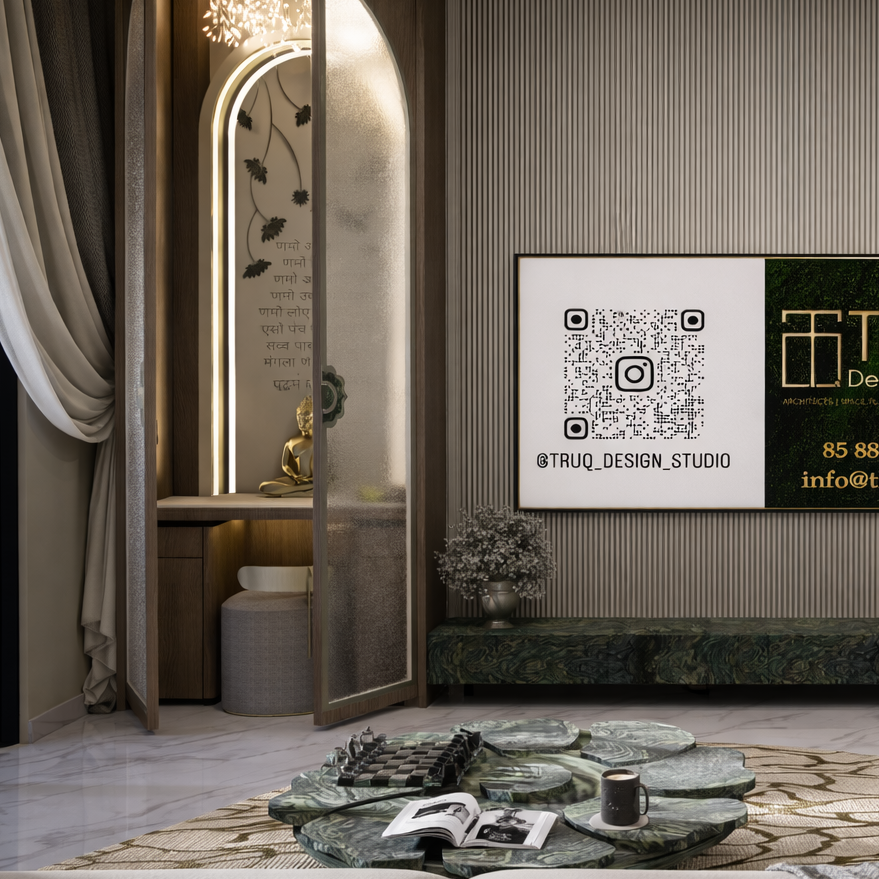
Modern interior design is shifting toward spaces that feel calm, natural, and emotionally balanced. Organic design, combined with color theory, plays a key role in achieving this harmony. Organic interiors draw inspiration from nature through materials, textures, and flowing forms, while color theory helps designers understand how colors influence mood and perception. Together, they create interiors that are visually appealing, functional, and comforting. Understanding Organic Design Organic design focuses on natural shapes, soft lines, and authentic materials that reflect the beauty of nature. Elements like wood, stone, linen, and earthy textures create warmth and simplicity within a space. This approach promotes a connection between indoor environments and the natural world, resulting in interiors that feel relaxed, timeless, and inviting. Role of Color Theory in Interiors Color theory helps designers create balance and emotional impact through thoughtful color selection. Warm tones add energy and comfort, while cool tones promote calmness and relaxation. By understanding how colors interact, designers can ensure visual harmony and avoid overwhelming compositions. Natural Color Palettes in Organic Design Organic interiors rely on nature-inspired palettes such as beige, warm white, sand, and taupe. These neutral tones create a soothing base and allow textures to stand out. Muted colors adapt well to natural lighting, enhancing the overall softness and continuity of the design. Emotional Impact of Organic Colors Nature-based colors influence how people feel within a space. Greens encourage balance and freshness, browns add warmth and stability, and soft blues promote relaxation. Earthy shades like terracotta provide grounding energy, making interiors feel comfortable and welcoming. Texture, Light, and Color Connection In organic interiors, color works alongside texture and lighting to create depth. Materials such as wood, stone, and fabric subtly change how colors appear, while natural light enhances tonal variations throughout the day. This combination creates richness without visual heaviness. Modern Organic Color Trends Contemporary interior trends highlight organic palettes that support wellness and simplicity. Shades like sage green, clay tones, and soft neutrals are widely used to create peaceful and sustainable living environments. These colors reflect a growing preference for calm, nature-inspired spaces. Conclusion Organic design and color theory together create interiors that balance beauty and well-being. Natural forms bring warmth, while thoughtful color choices ensure harmony and emotional comfort. As design continues to evolve, this combination remains essential for creating modern spaces that feel timeless and connected to nature.