

Maximizing Small Spaces: Turning Limitations into Lifestyle
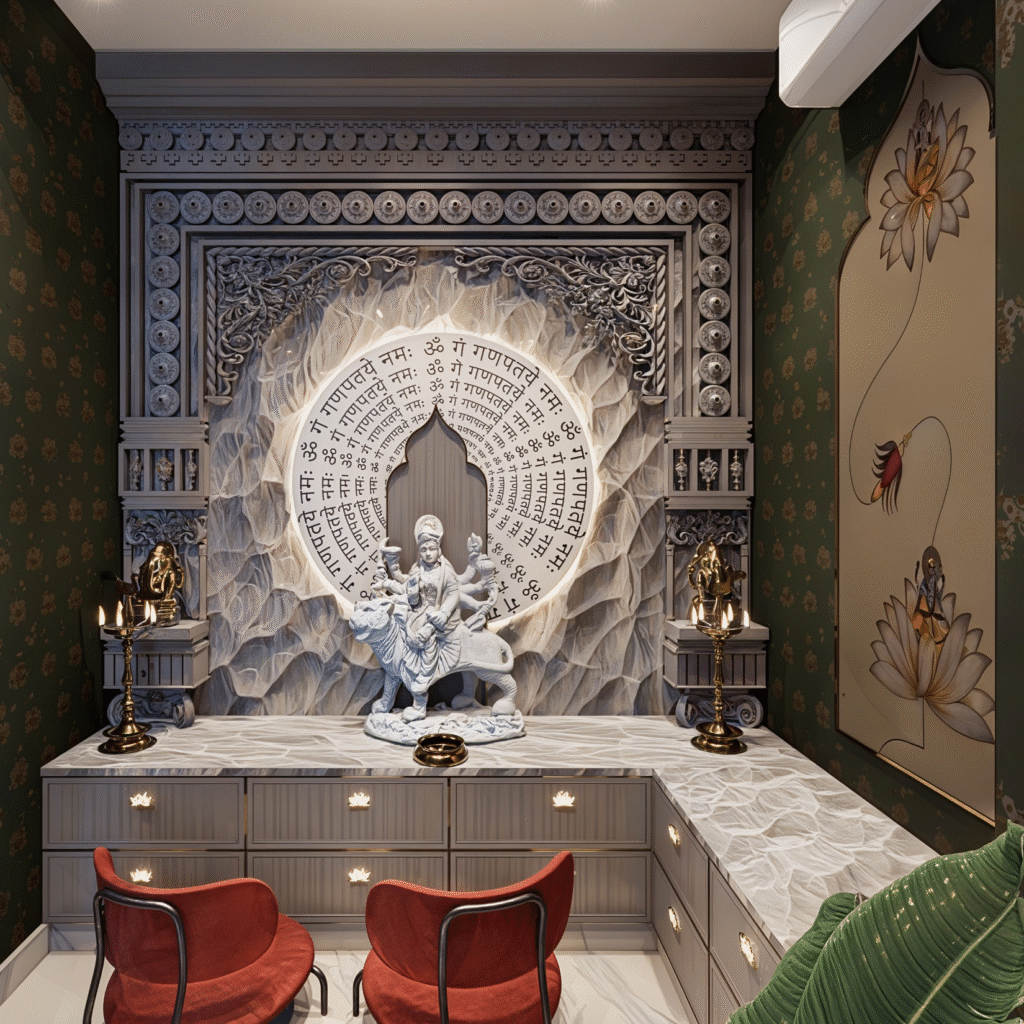
Let’s be honest—small spaces get a bad reputation. The moment someone hears “compact apartment” or “studio living,” they picture clutter, compromise, and constant adjustment. But what if the problem isn’t the size… it’s how the space is being used? Because a well-designed small space doesn’t feel small—it feels intentional. Think about your current space for a second. Is every corner working for you, or just… existing? That empty wall, the awkward corner, the bulky furniture that looked great in the showroom but now dominates the room—these are all missed opportunities. Maximizing a small space isn’t about stuffing more into less; it’s about making every element earn its place. Start with the basics: functionality. In smaller homes, furniture shouldn’t just sit there looking pretty—it should do something. A bed with storage underneath, a coffee table that doubles as a workspace, or even a foldable dining setup can completely change how a room behaves throughout the day. It’s not just design, it’s strategy. Then comes the illusion game—because yes, design can trick the eye (in the best way). Light colors, mirrors, and smart lighting can open up a room more than knocking down a wall ever could. A well-placed mirror doesn’t just reflect your space, it multiplies it. And lighting? That’s your silent hero. Layer it right, and suddenly your space has depth, mood, and personality. But here’s where most people get it wrong—overcrowding. Small space doesn’t mean more décor to “fill it up.” It actually demands the opposite. Be selective. Let your space breathe. A single statement piece often does more than five decorative items fighting for attention. And let’s talk about vertical space—because if you’re not using your walls, you’re missing half your home. Floating shelves, tall storage units, even vertical gardens—they pull the eye upward, making the room feel taller and more expansive. It’s like unlocking hidden square footage you didn’t know you had. At the end of the day, maximizing a small space is less about design rules and more about lifestyle alignment. Ask yourself: How do I actually live here? When your space reflects your habits, routines, and comfort, size becomes irrelevant. So maybe your space isn’t small. Maybe it’s just waiting to be understood better.
Beyond Aesthetics: What Is the Real Purpose of Interior Design?
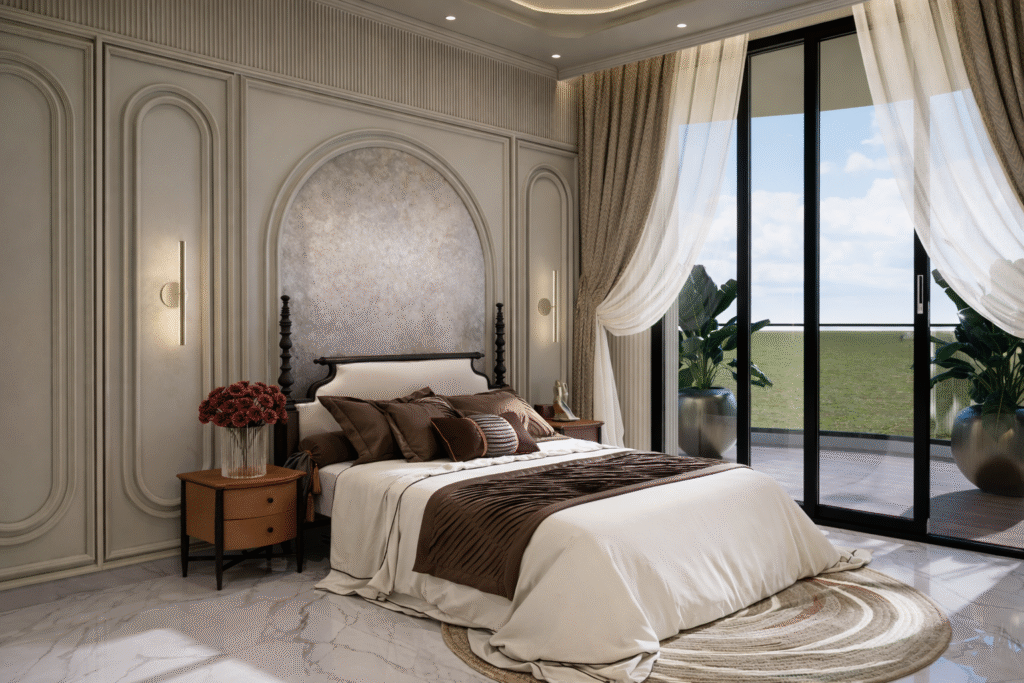
When people hear interior design, they often think about beautiful sofas, color palettes, and Pinterest-worthy spaces. But beyond aesthetics, interior design plays a much deeper role in how we live, work, and feel every single day. Functionality That Improves Everyday Living At its core, interior design is about functionality and space planning. A well-designed home or office optimizes layout, improves traffic flow, and ensures every square foot is used effectively. From ergonomic furniture to smart storage solutions, thoughtful interior design enhances comfort and productivity. In modern homes, especially urban apartments, strategic interior layouts can make small spaces feel spacious and efficient without compromising style. Enhancing Mental Well-Being Interior design directly impacts mental health and emotional well-being. Elements like natural lighting, calming color schemes, biophilic design, and proper ventilation create healthier indoor environments. Research shows that organized, well-lit spaces reduce stress and boost focus. Whether it’s a cozy living room or a productive home office design, interiors influence mood, energy levels, and overall lifestyle quality. Reflecting Identity and Lifestyle Great interior design reflects personality, values, and lifestyle needs. A luxury interior design concept may communicate elegance and status, while a minimalist interior promotes clarity and simplicity. Commercial interior design, on the other hand, strengthens brand identity and enhances customer experience. Every design choice—from textures to materials—tells a story about the people who inhabit the space. Increasing Property Value Beyond comfort and beauty, interior design also adds financial value. Well-planned residential interiors and modern commercial spaces attract buyers, tenants, and clients. Quality materials, functional layouts, and contemporary design trends significantly increase property appeal and long-term investment returns. Ultimately, interior design is not just about making spaces look good—it’s about making them work beautifully for the people who use them.
Home Office Concept: Designing a Productive and Stylish Workspace
The Rise of the Modern Home Office The home office concept has transformed from a temporary setup into a permanent lifestyle shift. With remote work, hybrid jobs, and freelance culture growing rapidly, homeowners now prioritize dedicated workspaces. A well-designed home office improves productivity, focus, and mental clarity while maintaining comfort. Modern interior design trends emphasize ergonomic furniture, natural lighting, and minimal clutter to create an efficient work-from-home environment. Functional Layout and Smart Space Planning Smart space planning is the foundation of a successful home office design. Whether it’s a compact apartment corner or a separate study room, optimizing layout ensures maximum functionality. Built-in storage units, floating shelves, and multifunctional furniture help maintain organization. Interior designers focus on creating distraction-free zones while incorporating aesthetic elements that reflect the homeowner’s personality Ergonomics and Comfort in Home Office Design Ergonomic office chairs, adjustable desks, and proper lighting are essential for long working hours. Investing in ergonomic furniture reduces back pain and improves posture, making it a key aspect of modern home office interiors. Adding soft textures, indoor plants, and neutral color palettes enhances comfort and boosts creativity. Aesthetic Appeal Meets Productivity A stylish home office balances functionality with design. Contemporary home office interiors often feature minimalist décor, warm wood finishes, accent walls, and statement lighting. Incorporating color psychology in interior design can influence mood and concentration, making the workspace both inspiring and efficient. The right home office concept blends comfort, productivity, and smart interior planning—turning any corner into a powerful workspace.